

Place, Horror, and Comedy That Kills: Why Your Story Can Only Happen Here
Guest blogger Dorothy de Kok
Writing African Speculative Fiction: Place & Horror in Writers of the Future Volume 42
In “Thickly,” appearing in Writers of the Future Volume 42, Dorothy de Kok blends body horror, satire, and African speculative fiction into a darkly funny story set in a South African township. In this guest post, de Kok explores why place matters in dark speculative fiction—and why some stories could never happen anywhere else.
When Horror and Comedy Share a Taxi
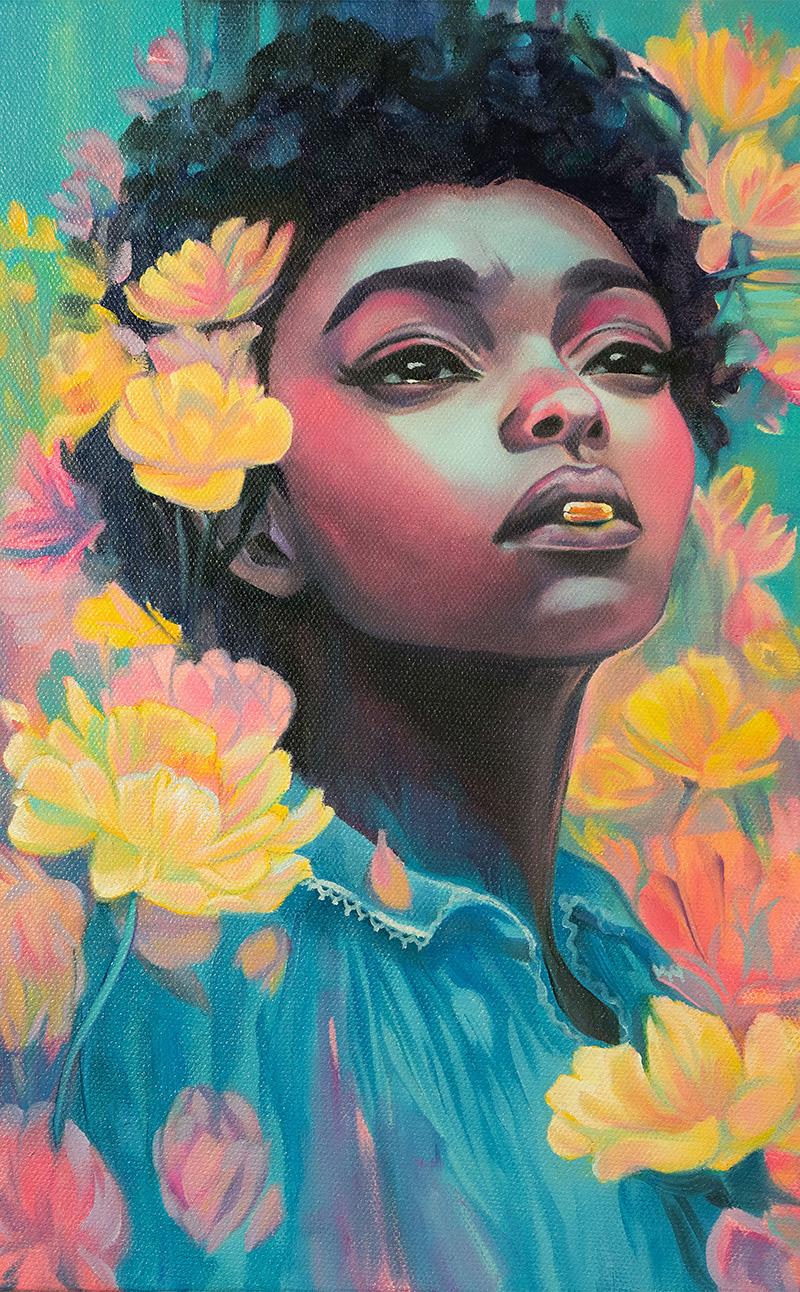
“Thickly” illustrated by Tracy Eire
There’s a scene in my short story “Thickly” where a woman bursts open in a township taxi.
Not metaphorically. She literally splits, and a newer, shinier version of herself climbs out, hair already braided, lipstick already on. The other passengers scream. The driver shouts that he won’t have it—not in his taxi—and nearly sideswipes a truck. The two old sisters in the back row recite the Lord’s Prayer as though conducting an exorcism.
It is, I hope, genuinely funny. It is also, I hope, genuinely horrible.
Getting those two things to coexist in the same sentence is one of the harder problems in dark speculative fiction. And I’ve come to believe that the solution, more often than not, is place. A specific, irreplaceable place. The kind of setting that generates the story itself, so that if you moved the whole thing to a bus in Birmingham or a subway in Seoul, the comedy would die, the horror would die, and you’d be left with a serviceable premise and no pulse.
Learning from the Masters: Okorafor, Brown, and Peele
The taxi scene works, if it works, because of what a South African township taxi is. Sixteen people in seats made for fourteen. A driver shouting destinations in a voice that cuts through everything. Music leaking from cracked speakers. A knockoff Louis Vuitton gleaming on someone’s lap like it isn’t. You don’t explain any of this to people who know it, and people who don’t know it can feel the density of a world that existed long before the story started. The uncanny doesn’t arrive from outside that world. It grows from it, the way a blister pack of dodgy biotech pills grows from a spaza shop shelf between the Lennon products and the fading Tigray flag.
 This is what I think of when I read Nnedi Okorafor, our continent’s foremost Africanfuturist. In Who Fears Death, the magic is not decorative. It is of the dust, the specific heat, the cultural memory of a post-apocalyptic Sudan. You cannot lift Onyesonwu out of that landscape and put her somewhere else without destroying the thing the book is actually about. The horror and the wonder both require that particular soil. Okorafor has spoken about writing Africa not as an exotic backdrop but as a living, specific, politically charged place—and the result is fiction that feels inevitable rather than invented.
Pierce Brown does something structurally similar in Red Rising, though the register is entirely different. Mars isn’t chosen because it’s dramatic. It’s chosen because the entire logic of that caste system—the colours, the mining, the scarcity, the brutal mythology of the Golds—requires that specific gravity and that specific darkness. Even how people are hanged depends on the planet’s gravity. Move it to Earth and the politics become muddy. On Mars, they feel like physics.
Jordan Peele understood this too. Get Out is a horror film about a very particular American social performance: the liberal white weekend house, the too-enthusiastic compliments, the microaggressions wrapped in admiration. The comedy of discomfort and the body horror are not separate things happening in the same film. They are the same thing. Strip the setting and you lose both simultaneously.
District 9 is ours—South African, and unapologetically so. Johannesburg is not incidental to that film. It is the film. The prawns in their camp, the bureaucratic cruelty, the specific texture of displacement and dehumanisation—these come directly from a history and a landscape that the story does not try to universalise. It is more powerful for its refusal to be anywhere else.
When Setting Becomes the Story
What connects all of these is that the setting isn’t just scenery. The world shapes the story, its tensions, and what it’s really trying to say. And the more precisely you locate that claim—geographically, culturally, historically—the harder it is to look away from. For me, it was about learning to start with the places I know intimately: the women, the street gossip, the smells and irritations of their daily lives, instead of searching for a story on another planet or in some dystopian future. Speculation grows far more convincingly when it erupts from a world that already feels real.
“Thickly” is a story about women wanting to be seen. About the exhausting performance of visibility in a community where being noticed matters enormously, and where the pressure to be more—more beautiful, more present, more desirable—is so intense it becomes a kind of violence. That pressure is real in many places. But the specific comedy of it, the specific tragedy of it, belongs to Bedford in the Eastern Cape, to the tap queue and the child grant payout and the aunties who soften when a girl finally looks ready. It could not have happened anywhere else without becoming a different, lesser story.
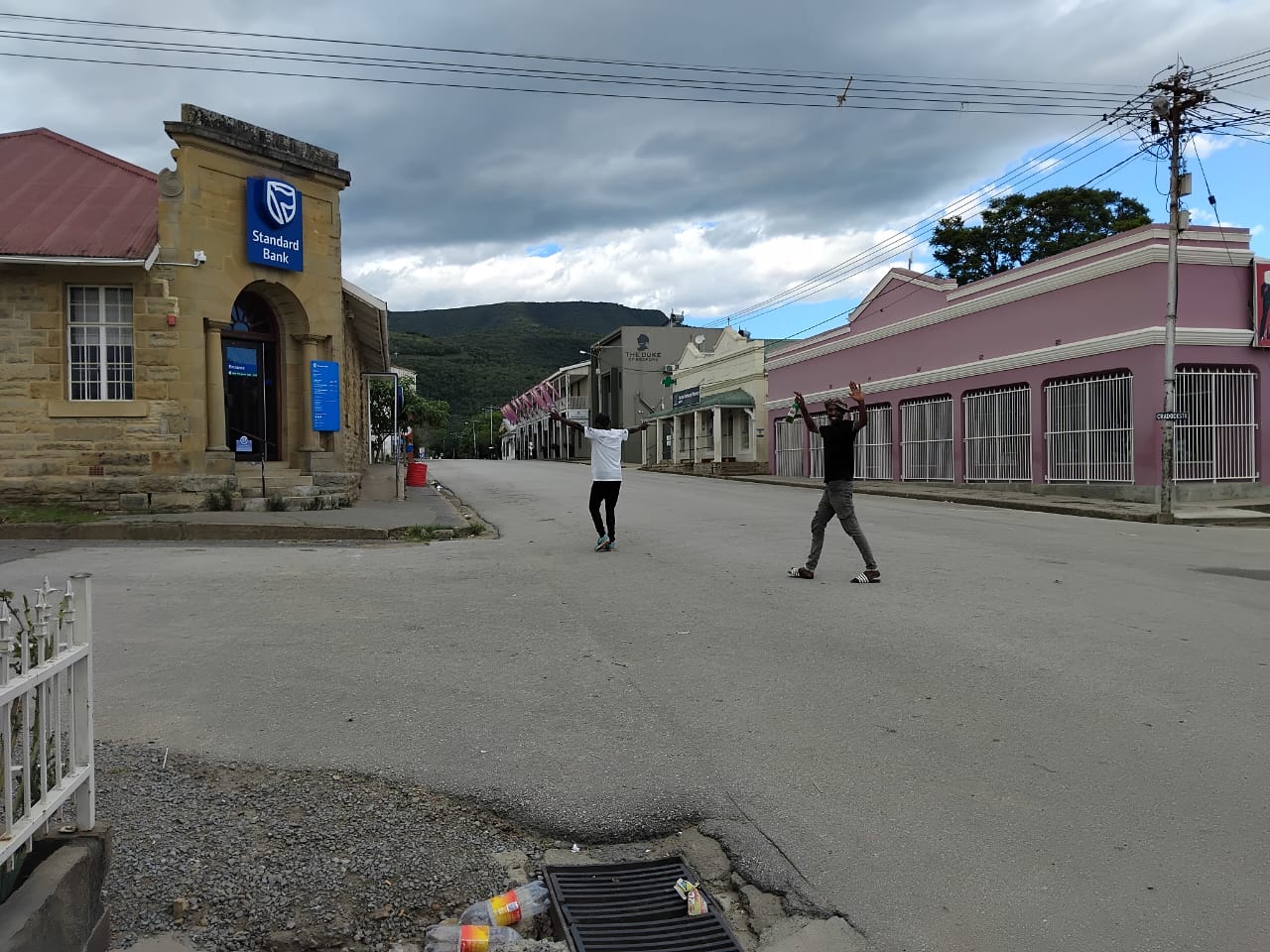
I wrote it because I live close enough to that world to feel its textures and far enough outside it to be haunted by what I see. That tension—between closeness and distance—is also, in the end, a question of place. Where do you stand when you tell a story? What do you owe the ground beneath your feet?
I don’t have a clean answer. But I’ve learned to trust the taxi. The cracked speakers, the shouted fares, the baby crying in its mother’s lap. The worlds that already exist before I come in search of a story.
Because when the impossible finally happens, when a woman bursts open in the back seat and another one climbs out smiling, the place is what makes us believe it.
Place isn’t backdrop. It’s the reason the story exists at all.
Read “Thickly” alongside stories of dragons, artificial consciousness, time travel, and galactic conflict in L. Ron Hubbard Presents Writers of the Future Volume 42.
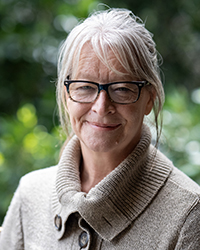 Dorothy de Kok skims author bios with mild suspicion—aware they matter, but quietly convinced they are proof that even the greatest writers have writer’s block when they have to write about themselves … and here we are.
Her own storytelling journey began at twelve, when she attempted her first novel: an earnest and spectacularly terrible fan fiction of Enid Blyton’s Magic Faraway Tree series. She finished it, reread it proudly, then lost it, which is just as well, as it was a threat to great literature.
Since then, Dorothy has collected an unusually broad résumé: high school English teacher, academic editor, safe-house director, real estate agent, and hopeful but horrendous gardener. She has spent years listening to people’s stories—students, clients, and survivors—and those voices sometimes find their way into her fiction.
She now lives in the small Karoo village of Bedford, South Africa, where the power supply is erratic and the potholes are legislated, and where inspiration tends to wander in before the first morning screech of the hadeda. She is also, by her own admission, unofficially blacklisted from owning a library card in several provinces due to her unfortunate habit of becoming emotionally attached to borrowed books and “forgetting” to return them.
Other articles and resources you may be interested in:
Exploring Digital Personhood and the Ethics of Cyberpunk Existence

 © by the Estate of Edd Cartier/Dean and Kenn Cartier
Leave a Reply
Want to join the discussion?Feel free to contribute!