
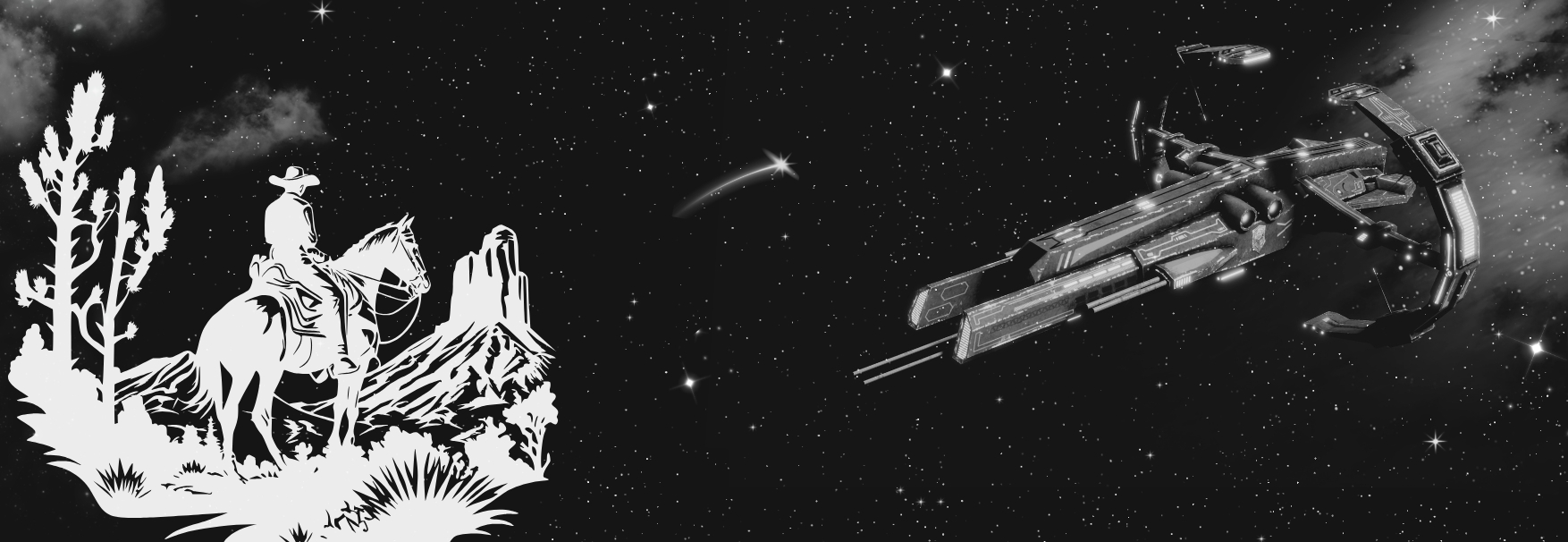
Horse Opera. Soap Opera. Space Opera. What’s the Connection?
If someone mentions a soap opera, chances are you picture tangled family relationships, cliffhangers, and dramatic revelations that somehow keep going for decades.
A horse opera probably brings to mind the classic Western—a fearless cowboy, a dusty frontier town, a black-hatted villain, and justice arriving just before the final fade-out.
And space opera? Starships, galactic empires, heroes, villains, impossible odds, and adventures measured in light-years.
Three completely different genres … or are they?
Surprisingly, these familiar expressions are branches of the same storytelling family tree.
Where “Opera” Came From
The word opera comes from the Italian word for “work,” but by the seventeenth century it had become associated with lavish musical productions filled with sweeping emotion, larger-than-life characters, dramatic conflicts, romance, betrayal, sacrifice, and unforgettable heroes and villains.
Before long, people began borrowing the word opera for stories that were every bit as dramatic—even if nobody was singing.
The stage was set for an entirely new vocabulary.
First Came the Horse Opera
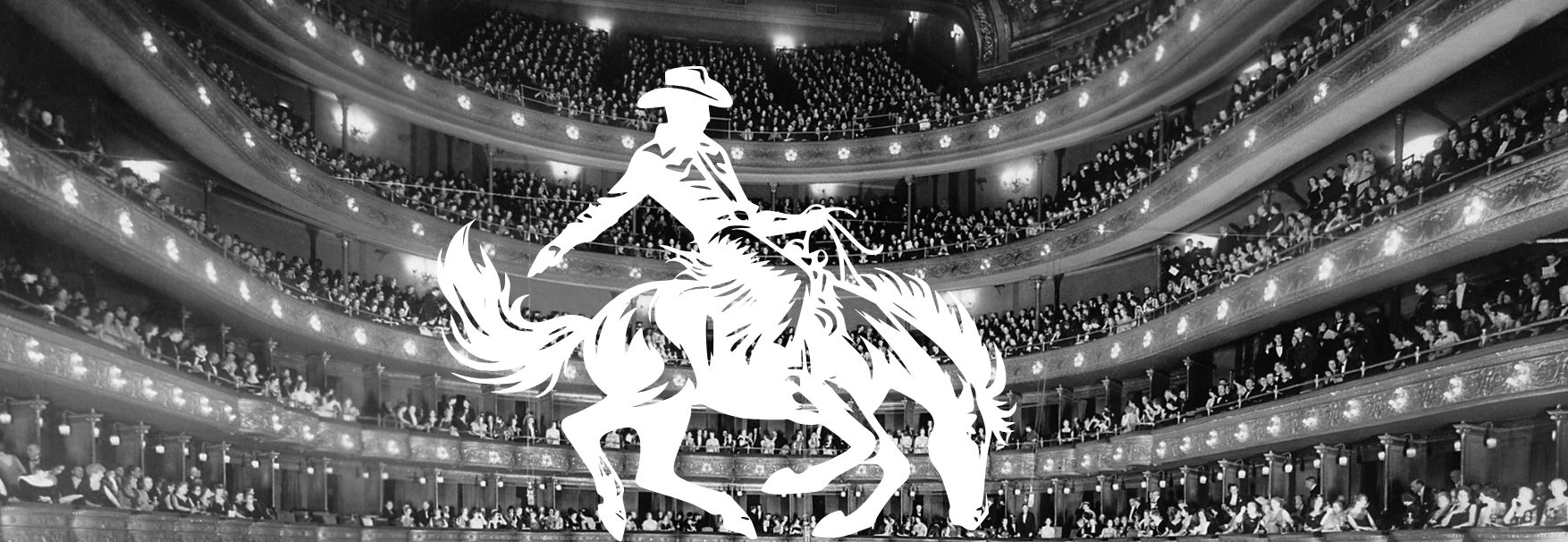
The oldest of the three expressions wasn’t soap opera at all.
The phrase horse opera was already being used in the nineteenth century to describe colorful equestrian performances and frontier entertainments.
By the early twentieth century, the term “horse opera” had become associated with formulaic Western films, particularly those of silent-film cowboy William S. Hart.
It then became a slang term used to describe clichéd, predictable, or low-budget Western movies.
The formula was instantly recognizable.
A mysterious rider enters town.
An innocent family needs help.
A ruthless outlaw threatens the community.
Justice wins.
The cowboy rides off into the sunset.
Simple? Yes.
Popular? Incredibly so.
Then Came the Soap Opera
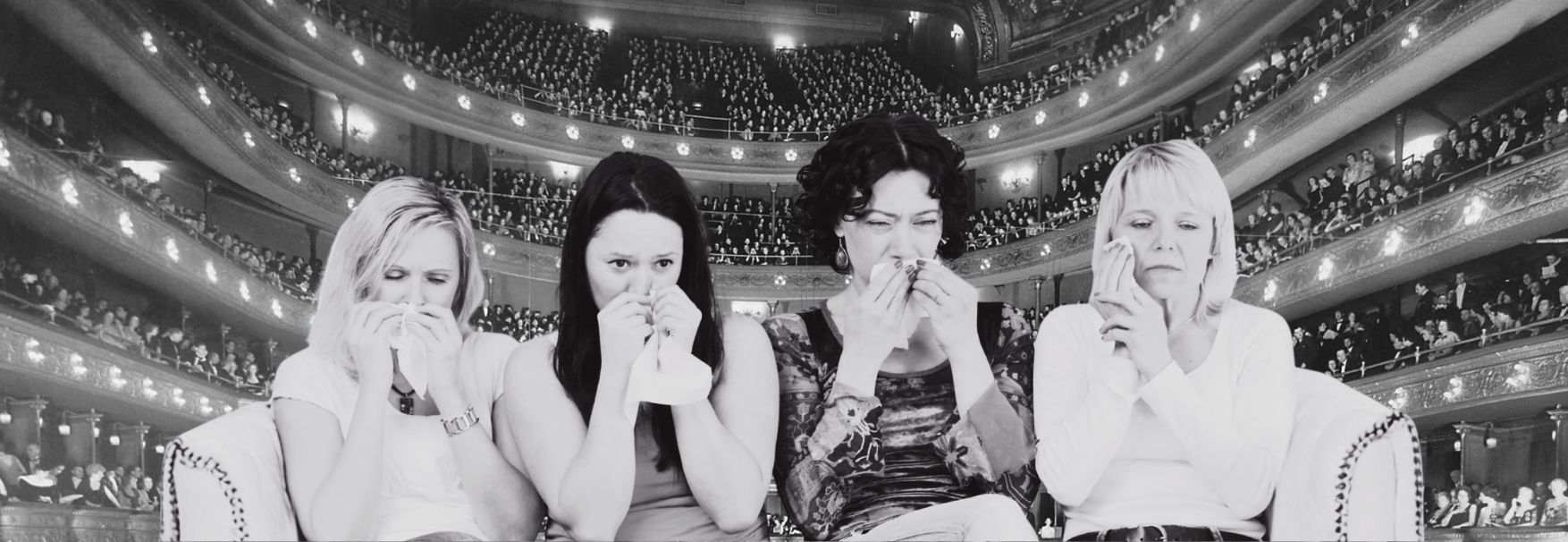
During the 1930s another form of serialized storytelling exploded in popularity—not in movie theaters, but over the radio.
These daily dramas followed families through romances, heartbreaks, betrayals, and endless cliffhangers. Their audiences tuned in faithfully every afternoon.
Why were they called soap operas?
Because many of them were sponsored by soap manufacturers such as Procter & Gamble, whose advertising dollars helped bring the programs into millions of homes. The nickname stuck, and eventually followed the genre onto television.
Unlike horse operas, these stories rarely featured shootouts or frontier justice.
Instead, the battles were fought around kitchen tables, hospital beds, and family living rooms.
Finally … Space Opera
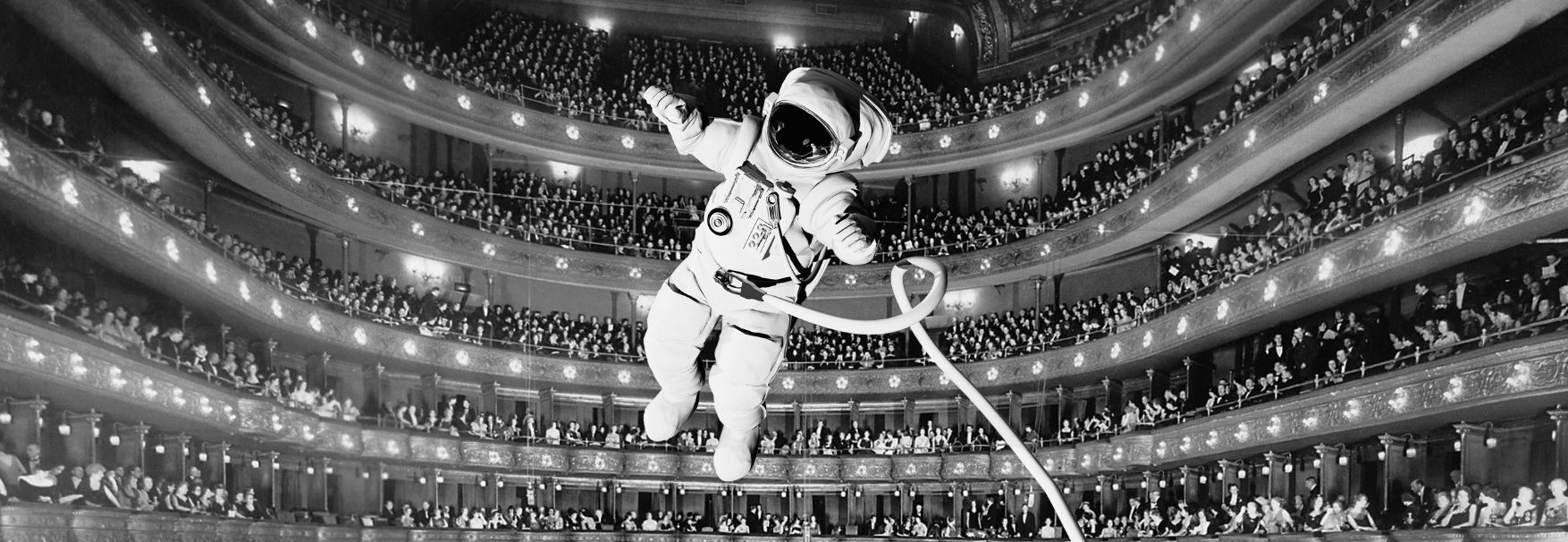
By 1941 science fiction writer Wilson Tucker noticed that many pulp science fiction stories had become highly formulaic.
With tongue firmly in cheek, he borrowed the earlier expressions horse opera and soap opera and coined a new one: space opera.
It wasn’t meant as praise.
Quite the opposite.
Tucker was poking fun at stories full of heroic captains, impossible rescues, evil villains, and galaxy-saving adventures.
Ironically, the joke didn’t last.
The name did. Like many nicknames, what began as satire gradually became a term of affection.
Growing Beyond the Joke
As science fiction matured, so did space opera.
Writers began using its vast canvas to explore politics, philosophy, exploration, loyalty, sacrifice, and humanity’s future among the stars.
What had once been a dismissive label gradually became a badge of honor.
Today, many of the world’s most celebrated science fiction stories proudly wear the title.
Star Wars.
Dune.
The Expanse.
The genre had come of age.
L. Ron Hubbard and the Final Frontier
Among the writers who fully embraced the possibilities of space opera was L. Ron Hubbard.
Speaking on March 5, 1952, he remarked:
“Space opera has always been a hobby of mine. I would rather write space opera than anything else. For the good reason that when I first began to research in engineering, my first research was concentrated on reaction engines—reaction motors.”
That lifelong fascination with humanity’s future among the stars can be seen throughout his science fiction.
Whether following the interstellar adventures in Ole Doc Methuselah, the sweeping vision of To the Stars, the pioneering spirit of The Conquest of Space, the epic struggle of Battlefield Earth, or the galaxy-spanning satire of the ten-volume Mission Earth series, Hubbard continually returned to stories where the frontier lay beyond Earth’s horizon.
The Frontier Never Really Changed
Perhaps that’s why Westerns and space operas often feel so familiar.
The lone cowboy became the lone starship captain.
The horse became the rocket ship.
The frontier town became the frontier colony.
The outlaw became the space pirate.
The vast American West became an even larger frontier—the galaxy itself.
The scenery changed.
The storytelling did not.
Why We Still Love Them
Whether we’re watching a cowboy ride across the prairie, listening to a family drama unfold over the radio, or following explorers to the edge of known space, these stories speak to the same timeless questions.
Who will stand up when others won’t?
What is worth sacrificing for?
Can courage overcome fear?
Will good triumph over evil?
The settings evolve as humanity moves forward—from horses to automobiles, from radio waves to streaming services, from dusty trails to distant galaxies.
But the human heart remains remarkably constant.
Perhaps that explains why a phrase coined as a sarcastic joke more than eighty years ago has become one of science fiction’s proudest descriptions.
The frontier never disappeared.
It simply kept moving, first across the American West, and eventually into the stars.
Further Reading:
The Origins of “Space Opera”
- The Encyclopedia of Science Fiction—“Space Opera”—A detailed history of the term, including its evolution from a pejorative label into one of science fiction’s defining subgenres.
Horse Opera & Soap Opera
- Grammar Girl: “Horse Operas, Soap Operas, and Space Operas”—A concise overview of how the three expressions developed and became linked.
Opera
Other articles and resources you may be interested in:
Does Space Opera Influence Our Future?
Little-Known Facts About “Hoss Tamer”
Little-Known Facts: Before McCloud, There Was Tex Larimee
What Do the Authors of Dune and Battlefield Earth Have in Common?


Leave a Reply
Want to join the discussion?Feel free to contribute!