



The autumn of 1947 marked the tenth year of a Golden Age for John W. Campbell’s Astounding Science Fiction. The magazine’s authors reshaped and redefined science fiction into its modern form. Campbell’s reign saw bright and talented newcomers such as Robert A. Heinlein, Isaac Asimov, L. Ron Hubbard, A.E. van Vogt, L. Sprague de Camp, Theodore Sturgeon, Fritz Leiber, and Lester del Rey. They—and a few veterans like Jack Williamson and Clifford D. Simak—wrote a revolutionary new kind of science fiction, brisk and crisp of style, fresh and lively and often irreverent in matters of theme, plot, and characterization. The readers loved it. Astounding was the place where all the best stories were—many of them now classics that have stayed in print for fifty years. Both the magazine and its larger-than-life editor were regarded with awe and reverence by its readership and by most of its writers as well.
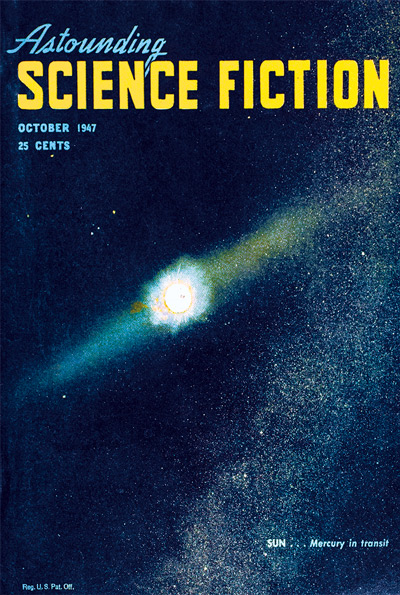
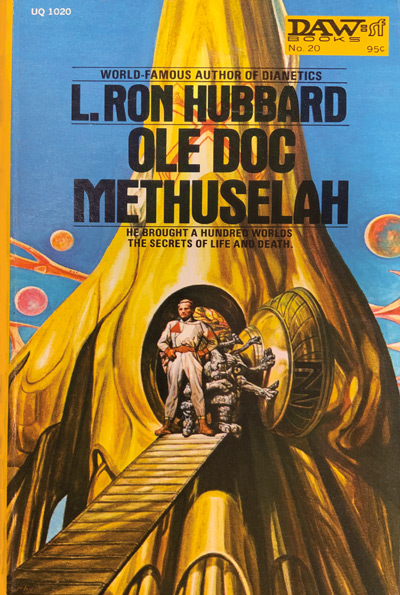
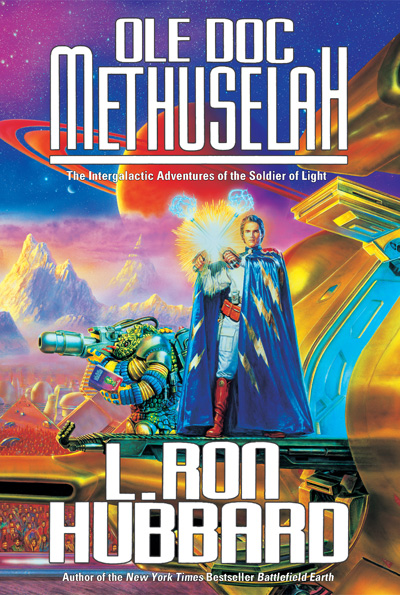
The first of seven Ole Doc Methuselah stories appeared in the October 1947 issue of Astounding Science Fiction. John Campbell chose to publish them in the same issue as the conclusion to Ron’s chilling three-part antiwar novel titled The End Is Not Yet. Campbell had never included two stories by the same author in one issue, but he didn’t want to hold back on “Ole Doc Methuselah,” the first story in the series, and so the story was published under the pen name René Lafayette.