
 ISBN: 978-1-59212-397-1
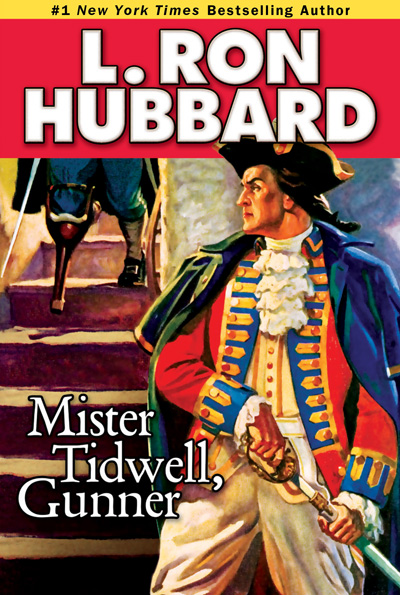
Mister Tidwell, Gunner
(also includes Submarine and The Drowned City)
Discussion Guide
Mister Tidwell, Gunner Story Summary & Overview
Originally assigned as a schoolmaster aboard one of Admiral Horatio Nelson’s ships, Mister Tidwell soon finds himself swept into one of history’s greatest naval battles. Refusing to remain below decks assisting the surgeon during the fighting, Tidwell instead puts his knowledge of mathematics, artillery, and trajectory to unexpected use during the Battle of the Nile. As cannon fire tears through the fleet, his intelligence and courage prove just as valuable as experience with a musket. The author blends historical naval warfare with fast-paced adventure in this tale of determination and ingenuity.
Historical Context: The Battle of the Nile
Mister Tidwell, Gunner takes place during the Battle of the Nile in 1798, one of the decisive naval engagements of the Napoleonic Wars. British Admiral Horatio Nelson defeated the French fleet commanded by Admiral François-Paul Brueys in Aboukir Bay, Egypt. The victory stranded Napoleon Bonaparte’s army in Egypt and established British naval supremacy in the Mediterranean for years.
The story reflects the realities of eighteenth-century naval combat. Ships fought at close range using rows of heavy cannon while crews endured splintering timber, smoke, primitive battlefield medicine and constant danger. Although Tidwell is a fictional character, his experiences are grounded in one of history’s most significant naval battles.
Discussion Questions
- Why does Tidwell fear serving in the surgeon’s cockpit more than facing enemy gunfire? The wounded below decks present a different kind of danger from combat on deck. Discuss what this reveals about human reactions to suffering and fear.
- What does Tidwell’s assignment after criticizing the tax system suggest about freedom of expression? His experiences raise questions about how governments have responded to unpopular opinions throughout history. Compare his situation with historical or modern examples involving writers, scholars or journalists.
- What are the advantages and challenges of giving young people significant authority? The midshipmen command adults despite being little older than children themselves. Discuss how responsibility, maturity and leadership do—or do not—always correspond with age.
- How does the story portray war differently from heroic legends? Alongside acts of courage, the author also depicts injury, exhaustion and suffering. Compare this portrayal with traditional stories that focus primarily on battlefield glory.
- How did eighteenth-century naval medicine differ from modern military medicine? The knowledge and technology of the time limited medical treatment aboard warships. Describe how advances in sanitation, surgery and emergency care have transformed military medicine.
- Why do organizations sometimes fail to use people’s talents effectively? Tidwell understands mathematics, artillery and military theory, but is initially assigned to assist the surgeon. Discuss modern situations where expertise is overlooked and the consequences that can follow.
- How does intellectual curiosity influence Tidwell’s actions throughout the story? As the fleet approaches Aboukir Bay, Tidwell studies Nelson’s tactical problem with genuine fascination. Discuss how curiosity not only expands knowledge but also creates opportunities—and responsibilities—for those willing to learn.
- Why does Tidwell’s education become most valuable during the battle? His understanding of mathematics, trajectory and artillery allows him to contribute in ways few others can. Discuss why some forms of knowledge become truly meaningful only when applied under pressure.
- How much of Tidwell’s success results from preparation and skill, and how much depends on circumstance? Although chance plays a role in every battle, Tidwell’s decisions and abilities also shape the outcome. Discuss how history is often influenced by both careful planning and unexpected events.
- What qualities should leaders look for when recognizing talent in others? Nelson promotes Tidwell because he recognizes both his intelligence and his performance under pressure. Discuss which qualities make someone worthy of greater responsibility and leadership.
Submarine
Discussion Guide
Submarine Story Summary & Overview
Young sailor Pinky is enjoying a brief shore leave with Madge before returning to the submarine SJ-9. Their time together is filled with hope, uncertainty and growing affection, but an unexpected emergency recall forces Pinky back to one of the Navy’s most dangerous assignments. As the couple faces the possibility of permanent separation, the author explores courage, duty, love and the personal sacrifices demanded by military service during the early years of submarine warfare.
Historical Context: Early Submarine Service
Submarine takes place during the early twentieth century, when submarines were still experimental vessels and among the most dangerous assignments in any navy. Mechanical failures, battery explosions, flooding and limited rescue capabilities made every patrol a significant risk. Public attention was often drawn to tragic submarine accidents, leading navies around the world to improve engineering, crew training and emergency procedures.
Although submarine technology would later become a decisive force during World War II, the crews who served aboard these early vessels accepted extraordinary dangers while helping develop the techniques that future generations would rely upon.
Discussion Questions
- Why does Pinky hide his fears about submarine service? Although he appears confident, Pinky eventually admits the dangers that concern him most. Discuss what this reveals about courage, vulnerability and responsibility.
- Why can waiting sometimes feel more difficult than taking action? Madge spends much of the story worrying while Pinky prepares to return to sea. Discuss why uncertainty often creates emotional challenges that are different from immediate danger.
- How did early submarine accidents influence sailors and their families? Can you name one significant submarine accident from the early twentieth century? Discuss how events like these may have shaped public attitudes toward submarine service.
- How should people balance personal relationships with professional duty? When the emergency recall arrives, Pinky immediately reports for duty despite Madge’s hopes that he might stay. Discuss how people in military service, emergency response, medicine and other professions face similar conflicts today.
- How do Pinky’s responsibilities compare with those of people serving in dangerous professions today? Although technology has changed dramatically, many occupations still require individuals to accept personal risk in service to others. Compare Pinky’s experience with that of a modern professional.
- How would modern communication technology change Pinky and Madge’s relationship? Today’s military families often remain connected through phones, video calls and messaging. Discuss which challenges would be easier today and which would remain unchanged.
- Which theme is most central to the story—courage, fear, duty, love or uncertainty? Each of these ideas shapes the relationship between Pinky and Madge. Decide which theme best captures the heart of the story and explain your reasoning
The Drowned City
Discussion Guide
The Drowned City Story Summary & Overview
Deep-sea divers Harry Rankin and Jim Frazer leave behind a demanding employer to pursue a legendary treasure hidden beneath the ocean. Their search for a long-lost submerged city promises wealth beyond imagination, but it also attracts a ruthless former boss determined to claim the discovery for himself. As sabotage, betrayal and deadly confrontations threaten the expedition, the author combines underwater adventure with mystery, exploration and suspense in a story that examines the costs of ambition and the rewards of perseverance.
Historical Context: Underwater Exploration and Lost Cities
The Drowned City draws upon the early twentieth century’s growing fascination with underwater exploration and the possibility of discovering lost civilizations beneath the sea. Improvements in diving equipment, underwater salvage and marine archaeology enabled explorers to investigate shipwrecks and submerged ruins in ways previously impossible.
Although the story itself is fictional, it reflects a period when the oceans were among the world’s last great frontiers. Scientific discoveries beneath the sea captured the public imagination while inspiring adventure stories centered on forgotten cities, hidden treasure and unexplored depths.
Chapter One: The Search Begins
- What most motivates Harry Rankin to continue searching for the lost city? Although he has already enjoyed financial success, Harry is driven toward an even greater challenge. Discuss whether his motivation is ambition, adventure, independence, curiosity, greed or something else.
- How can people distinguish between taking a calculated risk and acting recklessly? Harry and Jim launch their expedition using incomplete evidence and educated speculation. Discuss whether their decision reflects thoughtful planning or unnecessary danger.
- Would you choose to join Harry and Jim’s expedition? Exploration offers the possibility of remarkable discoveries but also significant risks. Explain which factors would influence your decision and which dangers you would or would not be willing to accept.
Chapter Two: Trouble at Sea
- What does Harry’s careful selection of his ship and crew reveal about his leadership? Before the expedition begins, Harry devotes considerable attention to preparation. Discuss why choosing the right people and equipment is often the foundation of success.
- How can publicity become both an advantage and a disadvantage? Newspaper coverage attracts attention to the expedition while also creating unexpected problems. Compare this situation with the effects of modern social media and online publicity.
- Which acts of sabotage would concern you most if you were part of the expedition? Stolen charts, suspicious followers and deliberate interference steadily increase the danger. Discuss how each event builds suspense while revealing the growing risks faced by the explorers.
Chapter Three: Beneath the Surface
- Should governments have legal claims to important historical discoveries? A British official argues that the Crown has the right to treasure recovered from its waters. Discuss who should own important archaeological discoveries and explain your reasoning.
- How did early diving equipment differ from modern scuba technology? The divers rely on equipment that reflects early twentieth-century technology. Compare these systems with modern diving gear and discuss the advantages and risks of each.
- How does combining real history with fictional adventure strengthen the story? The author builds his fictional expedition upon authentic historical ideas about underwater exploration. Discuss whether historical settings make adventure stories more engaging and explain why.
Chapter Four: The Lost City
- Why do some underwater structures survive for centuries? The submerged city remains remarkably well-preserved despite the passage of time. Are you aware of any real underwater archaeological sites? Discuss the conditions that allow such places to endure.
- Under what circumstances is deadly force justified in self-defense? Harry is forced into a life-or-death struggle beneath the sea. Discuss the ethical questions surrounding self-defense and discuss when deadly force may be legally or morally justified.
Chapter Five: Treasure and Responsibility
- How do Harry’s goals differ from Sullivan’s throughout the expedition? Although both men seek treasure, they pursue it using very different methods. Compare their motivations and discuss what separates honorable ambition from greed.
- Does the ending provide a satisfying conclusion to the expedition? Although the treasure has been found, legal ownership remains unresolved. Discuss what the ending suggests about perseverance, risk and the rewards of exploration.
- What does The Drowned City suggest about the relationship between ambition and ethics? The story explores whether it is possible to pursue wealth while maintaining integrity. Discuss whether ambition inevitably creates temptation or whether honorable success remains possible.