
 ISBN: 978-1-59212-313-1
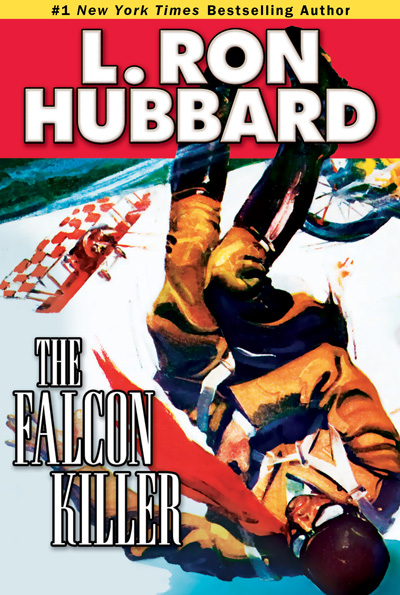
The Falcon Killer
Discussion Guide
Story Summary & Overview
As the Second Sino-Japanese War devastates China, American fighter pilot Bill Gaylord—known to friend and foe alike as the Falcon Killer—crashes behind enemy lines after a daring attack on Japanese aircraft. Hunted by enemy soldiers, betrayed by spies and aided by courageous civilians willing to risk everything to protect him, Gaylord must survive long enough to continue the fight. The author combines aerial combat, espionage and historical adventure in a story that explores courage, loyalty, sacrifice and the bonds that unite people during war.
Historical Context
The Falcon Killer is set during the early years of the Second Sino-Japanese War (1937–1945), a conflict that later became part of the larger Second World War. Following Japan’s invasion of China in 1937, major cities across eastern and central China suffered aerial bombardment, occupation and widespread destruction. The author contrasts the fictional city of Nencheng—described as having survived the invasions of the Mongol armies centuries earlier—with the devastating power of modern aircraft, illustrating how advances in technology have transformed warfare.
The story also references the Boxer Uprising (1899–1901), an anti-foreign and anti-Christian movement that took place during the final years of China’s Qing dynasty. Although the Kingdom of Ruhur and several principal characters are fictional, they resemble the semi-autonomous regions and local warlords that existed throughout parts of China during the early twentieth century. Foreign volunteers, military advisers and civilian residents also played important roles during the conflict, providing the historical foundation for the author’s fictional adventure.
Discussion Questions
- What does the title The Falcon Killer suggest about Bill Gaylord’s reputation? The nickname reflects both his accomplishments as a fighter pilot and the way others perceive him. Discuss how reputations are formed and how they influence the expectations of allies and enemies alike.
- What motivates Bill Gaylord’s acts of bravery? Gaylord repeatedly risks almost certain death while attacking Japanese aircraft. Discuss whether his actions are best described as duty, courage, recklessness or a combination of these qualities.
- What does it mean that Henry Thompson is “adrift in a sea of shifting battle lines”? Henry and Marion choose to help Gaylord despite the enormous risks involved. Discuss what motivates ordinary civilians to assist others during times of war.
- Why is Marion such an important character? Marion’s compassion, courage and willingness to help strangers influence many of the events that follow. Discuss why some people willingly place themselves in danger to protect others.
- Why does Bill Gaylord feel such a strong connection to China? Although he is American, Gaylord identifies deeply with the people and country he is helping defend. Discuss how people sometimes develop a strong sense of belonging to places other than where they were born.
- Why is trust so difficult during wartime? Throughout the story, characters struggle to determine whom they can believe. Compare this situation with modern examples in which people have had to make important decisions without knowing whom they could trust.
- How does the constant threat of discovery build suspense? Gaylord’s efforts to avoid capture create continuing tension throughout the story. Compare this with historical or modern situations in which remaining hidden was essential for survival.
- How does war change the people who experience it? Bill, Henry, Marion and the citizens of Nencheng are all shaped by the conflict around them. Discuss how war can influence people’s outlook, priorities and relationships.
- What does the story suggest about duty and personal sacrifice? Many characters willingly risk their lives for causes or people they believe are worth protecting. Discuss whether it is ever justified to place innocent civilians at risk to save a military hero, and explain your reasoning.