
 ISBN: 978-1-59212-282-0
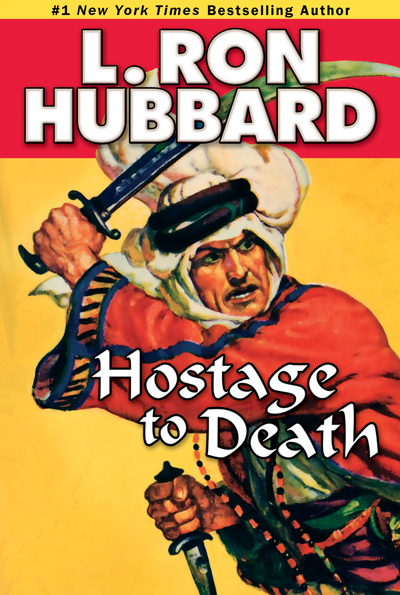
Hostage to Death
Discussion Guide
Story Summary & Overview
Lieutenant Bill Reilly came to North Africa hoping to find purpose and adventure in the French Foreign Legion, but his assignment quickly becomes a deadly test of courage and judgment. After receiving a gruesome message from a Berber chief threatening an American captive, Reilly is drawn into a dangerous mission where nothing is as it first appears. Surrounded by shifting alliances between French forces, Spanish troopsand Berber fighters, he must uncover the truth while deciding where his loyalties truly belong. The author combines military adventure, espionage and historical conflict in a fast-paced story of honor, deception and survival.
Historical Context: The Rif War and the French Foreign Legion
Hostage to Death is set during latter part of the Rif War (1921–1926) in Morocco, when Berber tribes led by Abd el-Krim fought against Spanish and later French colonial forces for control of the Rif Mountains. The conflict became one of the first twentieth-century wars in which determined local fighters successfully used guerrilla tactics against modern European armies. Although Lieutenant Bill Reilly and the events of the novel are fictional, the war, its leaders and the political tensions between France, Spain and the self-declared Rif Republic are based on real history.
The story features the French Foreign Legion, one of the world’s most famous military organizations. Founded in 1831, the Legion recruited volunteers from many nations, offering recruits the opportunity to begin new lives under strict military discipline. Legionnaires developed a reputation for courage, endurance and loyalty while serving in some of the world’s most difficult environments, including North Africa.
When Hostage to Death was published in 1937, readers would have recognized both the French Foreign Legion and the Rif War as symbols of adventure, sacrifice and the complexities of colonial conflict. The author uses this authentic historical setting to explore questions of duty, honor, leadership and the difficult choices soldiers face when military orders conflict with personal conscience.
Chapter One: A Deadly Message Begins the Mission
- Why does Abd el-Ulad use a public threat to challenge the French Foreign Legion, and how have intimidation and public displays been used throughout military history? The story begins with a shocking message intended to provoke fear and force a response. Compare this tactic with historical examples of psychological warfare.
- How does the author portray the French Foreign Legion, and how does that portrayal compare with the Legion’s historical reputation? Bill Reilly enters a military organization known for strict discipline and international recruits. Compare what you know of this in reality with its portrayal in the story.
- Why do you think Bill Reilly is guided by a strong sense of honor, and how have ideas about honor changed over time? Bill Reilly’s early decisions reflect traditional ideas of personal responsibility and chivalry. Discuss whether similar values remain important today.
Chapter Two: The Ambush
- How does the ambush demonstrate the importance of geography in military strategy? The Berber fighters use the surrounding terrain to gain a significant advantage over the Legionnaires. Can you think of another historical battle where geography played a decisive role and compare it with the events in this chapter.
- Why does Sergeant Morenz remain suspicious even when the mission appears to be going well? Morenz’s experience teaches him that situations which seem unusually easy often conceal hidden dangers. Discuss why caution and skepticism are valuable qualities for military leaders and decision-makers.
Chapter Three: The Cost of Success
- When Kay asks Bill Reilly, “Was it worth the price?” what larger question is she raising about leadership and sacrifice? Although the immediate mission appears successful, its consequences extend far beyond the original objective. Discuss how leaders should weigh human costs against achieving military or political goals.
- How does the destruction of the train demonstrate that actions can have unintended consequences? The rescue mission produces results that affect many people beyond those directly involved. Compare this with historical or modern events where a decision produced unexpected outcomes.
Chapter Four: Duty Before Motive
- Why does Colonel d’Avril believe military discipline is more important than personal intentions? Colonel d’Avril argues that armies cannot function if individual soldiers ignore orders, regardless of their motives. Discuss whether results or intentions should carry greater weight when evaluating a person’s actions.
- Why does the tribunal focus more on Bill Reilly’s actions than on his reasons for acting? Military organizations often depend upon consistent rules and discipline to function effectively. Discuss why organizations sometimes place greater importance on following procedures than on individual circumstances.
- If you had served on the tribunal, what additional evidence would you have wanted before reaching a decision? The tribunal must judge Bill Reilly based on the information available to it. Discuss what questions remain unanswered and what additional facts might influence the outcome.
Chapter Five: Punishment and Loyalty
- Why was the bataillon pénal one of the harshest punishments in the French military system? Bill Reilly faces assignment to a punishment battalion feared by many soldiers. What was the purpose of these units and compare them with other military prisons or disciplinary systems.
- Why does Kay continue helping Bill Reilly despite repeated setbacks? Kay repeatedly risks disappointment and personal hardship to help Reilly. Compare the motivations behind loyalty, obligation, friendship and love.
Chapter Six: A Dangerous Assignment
- How does Colonel d’Avril demonstrate that appearances can be manipulated for political or military purposes? The story reveals that public events and official explanations do not always reflect reality. Compare this with historical examples where governments used secrecy, deception or misinformation during wartime.
- Why does Bill Reilly accept a mission presented as punishment? Although the assignment appears to be a penalty, it also offers an opportunity to serve an important purpose. Discuss the ethical questions involved when governments ask individuals to risk their lives for national objectives.
Chapter Seven: Behind Enemy Lines
- Why do language skills, cultural understanding and disguise become some of Bill Reilly’s greatest advantages? As Reilly travels through unfamiliar territory, success depends on much more than military training. Discuss how understanding another culture can become a powerful form of knowledge.
- What motivates Kay to continue following Bill Reilly despite the growing dangers? Kay repeatedly chooses to place herself in harm’s way to support Reilly. Discuss why people sometimes accept extraordinary risks for someone they believe in.
- Why is Abd el-Krim immediately suspicious of Bill Reilly’s intentions? Years of conflict have made trust difficult for everyone involved in the war. Discuss why suspicion often becomes a natural response during wartime.
- Who was the historical Abd el-Krim, and how does his portrayal in the story compare with the historical figure?
Chapter Eight: Choosing Whom to Trust
- Why can betrayal be more damaging than open opposition? Throughout history, betrayal has often had lasting effects on individuals, organizations and nations. Discuss why broken trust can have such a powerful emotional impact.
- If you were in Bill Reilly’s position, what evidence would you look for before deciding whom to trust? Throughout the story, appearances often prove misleading. Discuss what information would be most important before placing your confidence in another person.
Chapter Nine: Honor, Duty, and Conscience
- Throughout the novel, which most strongly influences Bill Reilly’s decisions: duty, loyalty or personal conscience? Bill Reilly repeatedly faces situations where these values come into conflict. Evaluate which one ultimately guides his choices and support your answer with examples from the story.
- Which themes from Hostage to Death remain relevant today, and what can modern readers learn from them? Although the story takes place during the Rif War, its questions about leadership, loyalty, deception and personal responsibility continue to resonate. Discuss which lessons remain most meaningful in the modern world.